Small Electronics for Q4: From Desk Gadgets to Everyday Tech Accessories
Small Electronics for Q4: From Desk Gadgets to Everyday Tech Accessories
Q4 is a valuable opportunity for ecommerce sellers to grow sales with small electronics and everyday tech accessories. As shoppers look for practical gifts, desk upgrades, travel essentials, and useful gadgets, products that combine convenience, functionality, and gift appeal can attract attention throughout the holiday shopping season.
For Shopify stores and cross-border ecommerce brands, small electronics offer several advantages. Many products are compact, easy to demonstrate through short videos, and suitable for bundling with complementary accessories. However, not every gadget is worth testing. Product quality, battery regulations, shipping costs, and supplier reliability can all affect your margins.
In this guide, we'll explore eight small electronics categories worth considering for Q4, along with practical tips for sourcing, fulfillment, and inventory planning.
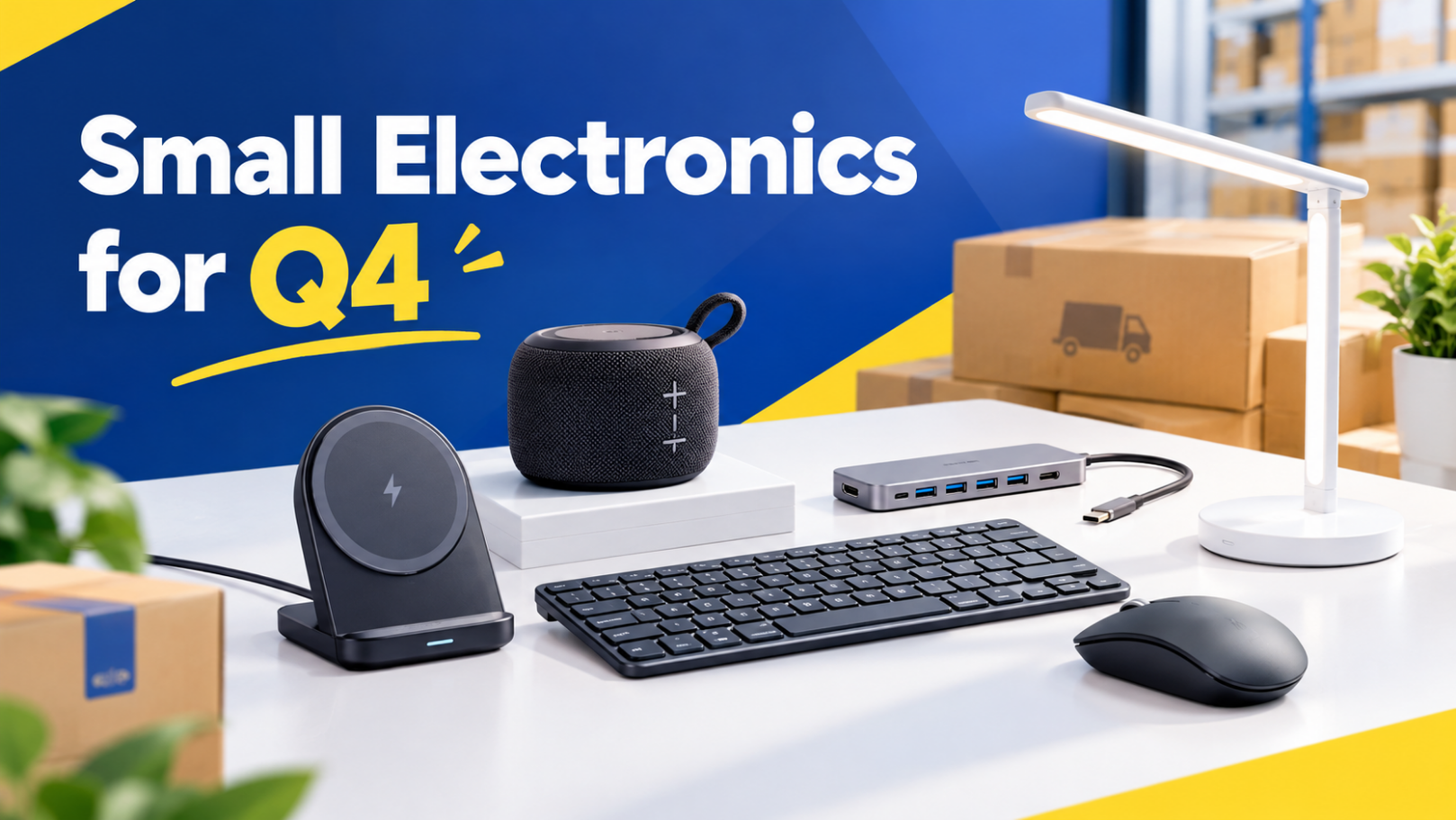
Why Small Electronics Are Worth Testing in Q4
Small electronics can fit several holiday shopping occasions, from office gift exchanges to personal tech upgrades. They also appeal to different customer groups, including remote workers, students, travelers, and gadget enthusiasts.
Here are a few reasons to consider this category:
-
Practical gift appeal:
Everyday tech accessories solve familiar problems and can be easier to purchase as gifts. -
Content-friendly products:
Many gadgets are easy to demonstrate in product videos, social media posts, and user-generated content. -
Bundling opportunities:
Complementary products can be combined to create gift sets or increase average order value. -
Compact product options:
Lightweight accessories may help reduce shipping costs, depending on their packaging and destination. -
Multiple price points:
Sellers can test affordable impulse purchases alongside higher-value accessories.
The key is to choose products with clear customer benefits rather than chasing every trending gadget. A product that looks impressive in an advertisement may still underperform if its quality is inconsistent or its total fulfillment cost is too high.
8 Small Electronics and Tech Accessories to Consider for Q4
1. Wireless Charging Accessories
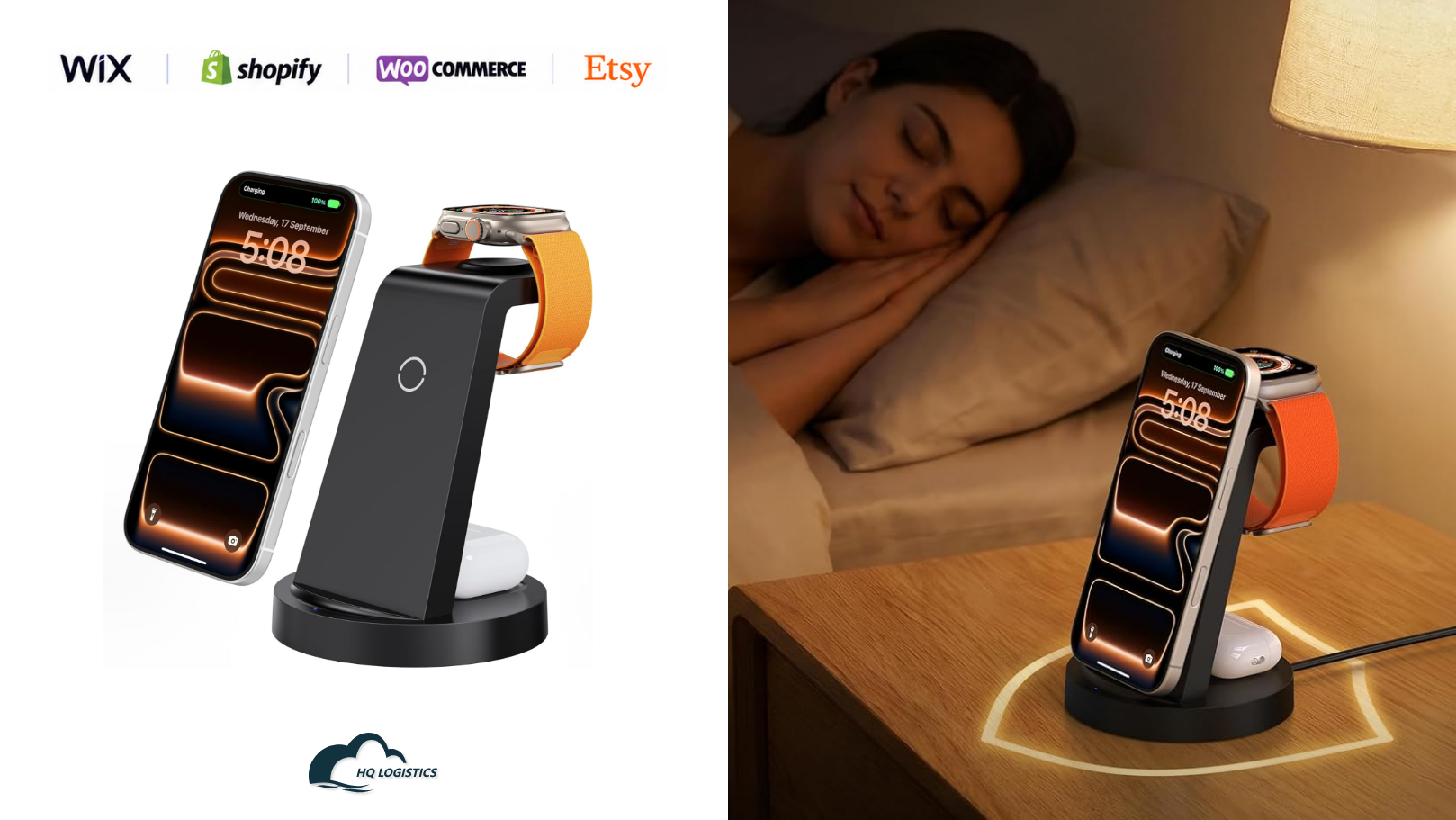
Wireless charging stands, charging pads, and multi-device charging stations can appeal to shoppers looking to simplify their desks or bedside tables.
Products that support common devices and offer clear compatibility information are generally easier to explain to customers. Adjustable stands and compact designs can also make suitable gifts for students, office workers, and tech enthusiasts.
What to check before sourcing:
-
Charging standards and supported device models
-
Power output and compatibility requirements
-
Heat management and charging stability
-
Cable quality, packaging, and product labeling
Avoid vague compatibility claims. Clearly communicate which devices and charging standards each product supports.
2. Desk Gadgets for Remote Work
Desk accessories remain a useful category for customers who work from home, study online, or spend long hours at a computer.
Potential products include USB desk fans, electronic desk clocks, monitor light bars, compact USB hubs, and cable management accessories.
These products can be marketed around practical use cases, such as improving desk organization, making a workspace more comfortable, or reducing cable clutter.
Sourcing tip:
Prioritize products with simple setup instructions, reliable connections, and a design that looks good in real-life demonstrations. For powered accessories, test functionality and inspect plugs, cables, and relevant safety markings before shipping.3. Portable Bluetooth Speakers
Compact Bluetooth speakers can attract shoppers looking for gifts for friends, family members, students, and outdoor enthusiasts.
Useful features may include portable designs, straightforward pairing, water-resistance ratings, and sufficient battery life for everyday use.
However, sound quality can vary significantly between suppliers. Product photos alone are not enough to evaluate performance.
What to check before sourcing:
-
Actual sound quality and volume consistency
-
Bluetooth connectivity and pairing reliability
-
Battery performance and charging time
-
Verified water-resistance ratings, where applicable
-
Battery shipping eligibility for your target destinations
Consider ordering samples before committing to larger quantities. A low unit price offers little value if customers complain about weak sound or unreliable connections.

4. Phone Stands and Mobile Accessories
Phone stands, foldable desktop holders, adjustable tablet stands, and magnetic phone mounts are practical accessories for everyday use.
They can appeal to remote workers, content creators, students, and customers who use their phones for video calls or entertainment.
These products may also work well in bundles with charging cables, screen-cleaning accessories, or other compatible items.
What to check before sourcing:
-
Stability with different phone sizes and weights
-
Hinge durability and adjustment range
-
Magnet strength and device compatibility
-
Material quality and surface finish
-
Packaging dimensions and protection during transit
For magnetic accessories, verify compatibility with the specific devices and cases being targeted. Avoid implying universal compatibility when a product requires a particular case or accessory.
5. Compact Power Banks
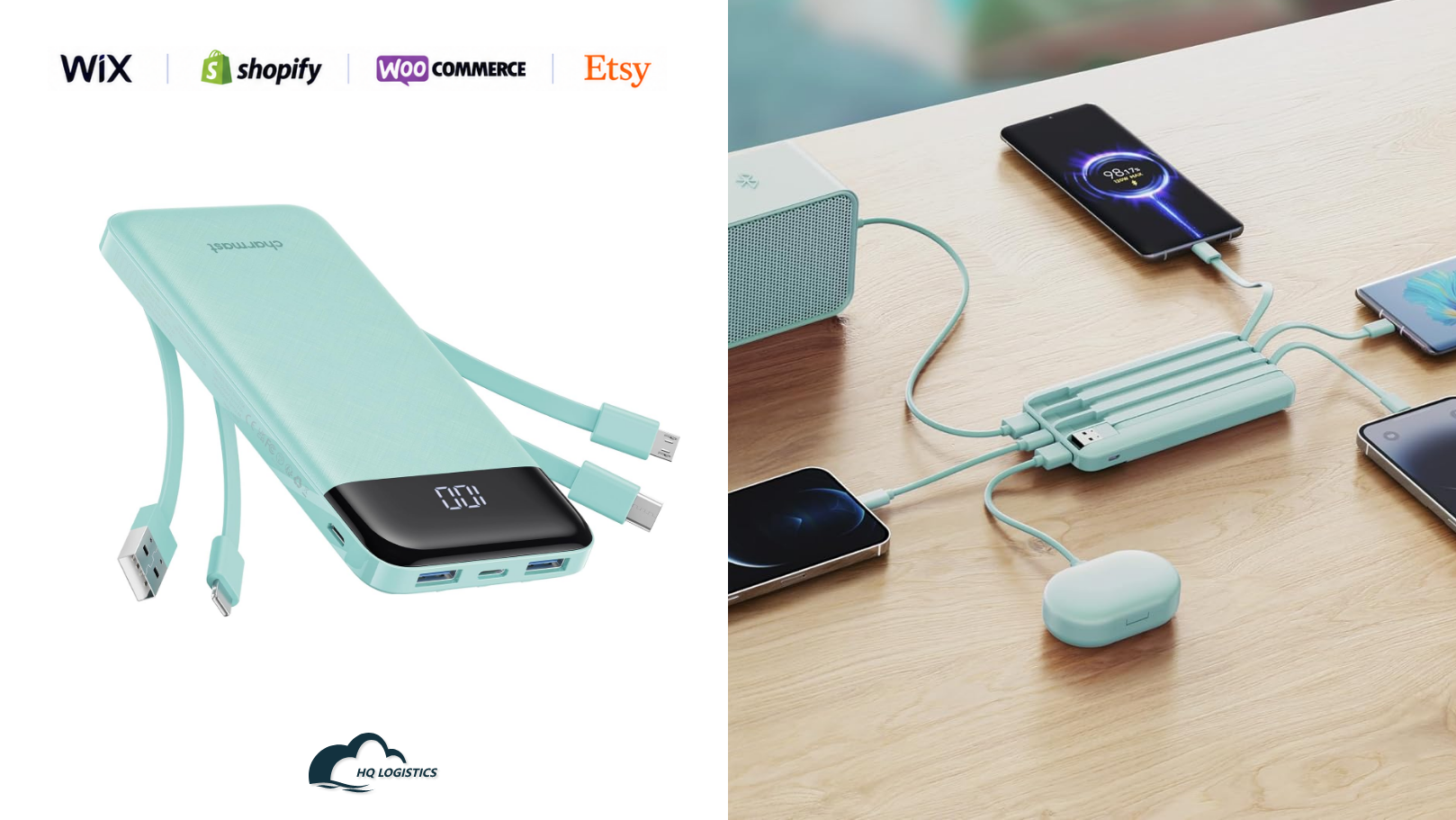
Power banks are relevant to travelers, commuters, students, and people who rely on mobile devices throughout the day.
Options range from slim everyday models to higher-capacity power banks with multiple ports or built-in cables.
Because power banks contain lithium batteries, they require more careful sourcing and shipping planning than many non-powered accessories.
Before listing a power bank, verify:
-
Rated capacity and actual product specifications
-
Charging and output performance
-
Required product safety documentation
-
Battery labeling and packaging requirements
-
Carrier acceptance and destination-specific shipping restrictions
Do not assume every shipping service accepts every battery product. Confirm eligibility with your fulfillment and logistics provider before advertising delivery times or accepting orders.
6. LED Desk Lights and Ambient Lighting Gadgets
USB desk lamps, monitor light bars, compact reading lights, and decorative ambient lighting can appeal to shoppers upgrading their workspaces or buying gifts for their homes.
Products with adjustable brightness, multiple lighting modes, or space-saving designs may be easier to position around specific customer needs.
For example, a monitor light bar can be marketed toward desk setup enthusiasts, while a portable reading light may appeal to students and book lovers.
What to check before sourcing:
-
Brightness and color temperature consistency
-
Power source and voltage compatibility
-
Switch or touch-control reliability
-
Cable durability and product stability
-
Applicable electrical safety requirements
For lighting products with built-in batteries, confirm battery specifications and shipping eligibility. Products with magnetic components may also require additional checks depending on the shipping route.
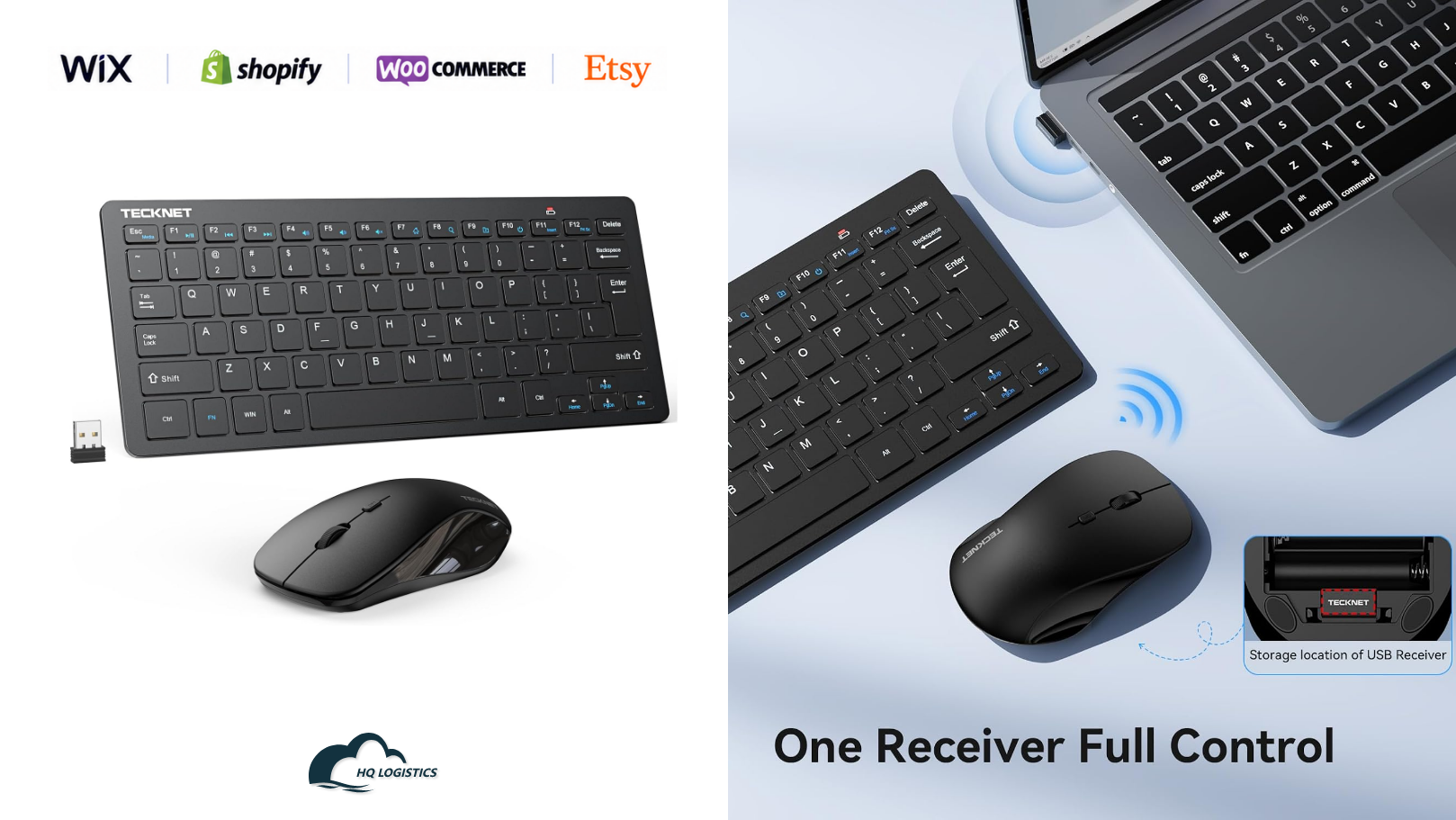
7. Wireless Keyboards and Compact Mice
Compact keyboards, wireless mice, and portable input devices are useful for customers who work across laptops, tablets, and desktop computers.
Smaller designs may appeal to travelers, students, and people who want a cleaner desk setup. Keyboard-and-mouse bundles can also offer a more complete shopping experience than selling individual accessories.
Sourcing tip:
Test connection stability, key responsiveness, click consistency, battery life, and compatibility with supported operating systems.For keyboard products, confirm the layout before placing an order. US, UK, and other regional layouts can differ, and an incorrect layout may lead to customer complaints or returns.
8. USB Hubs and Everyday Connectivity Accessories
USB hubs, adapters, card readers, and compact docking accessories help customers connect peripherals and manage devices with limited ports.
These products can be attractive to laptop users, remote workers, students, and content creators. They also offer opportunities to build product collections around specific use cases, such as home offices or travel workstations.
What to check before sourcing:
-
Supported USB standards and transfer speeds
-
Available ports and compatibility
-
Power requirements and heat management
-
Performance with the devices listed on the product page
-
Driver requirements and operating system support
Be precise with technical specifications. For example, a USB hub that supports basic data transfer should not be advertised as supporting high-speed video output unless that capability has been verified.
How to Choose the Right Small Electronics for Q4
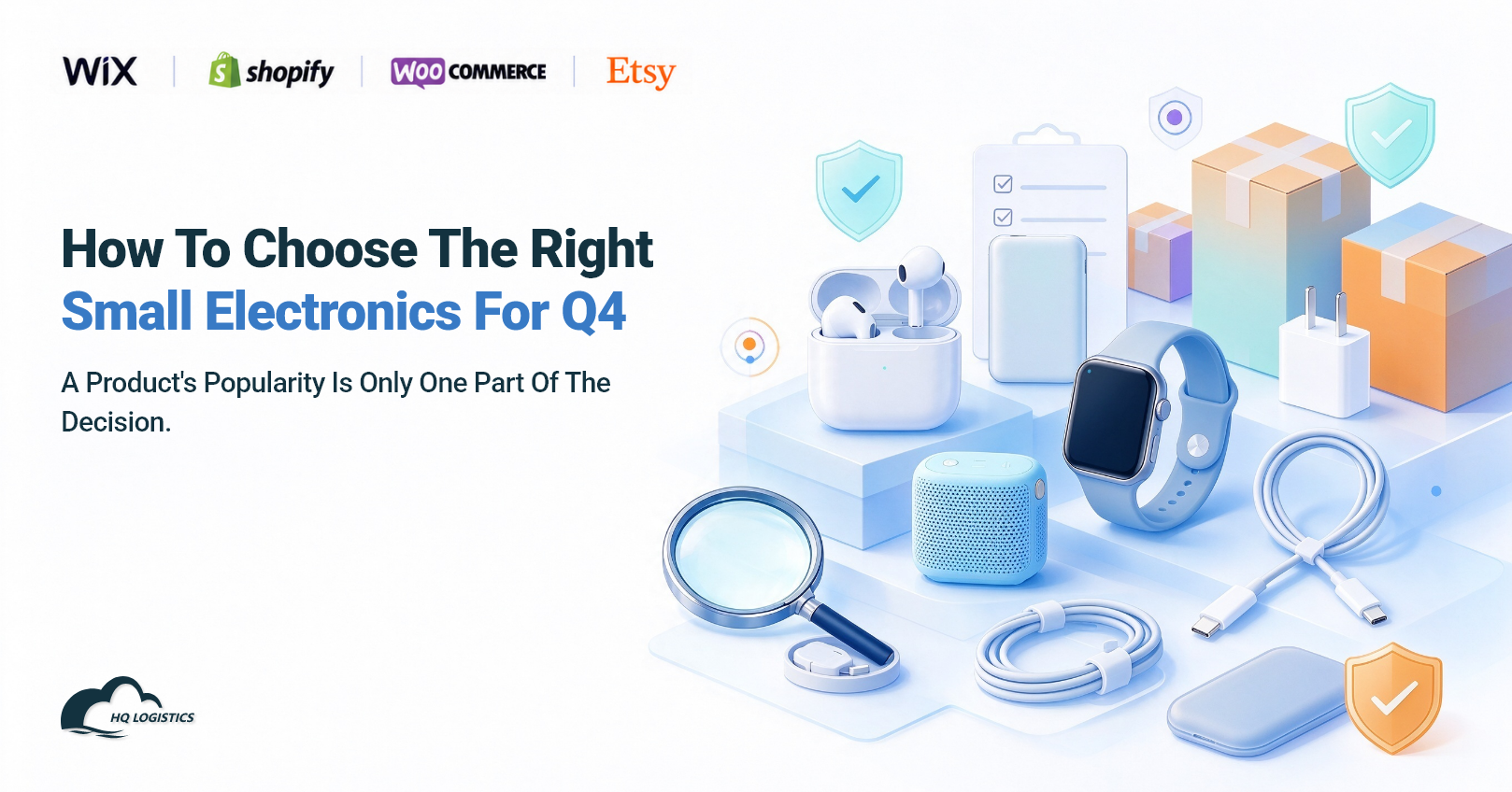
A product's popularity is only one part of the decision. Before committing to inventory, evaluate its demand, quality, compliance requirements, and total cost of getting it to the customer.
Start With a Clear Customer Use Case
Rather than selecting a gadget simply because it is trending, identify the customer problem it solves.
A compact charging stand may suit remote workers, while a portable speaker may appeal to gift shoppers. Clear positioning makes it easier to create product pages, advertisements, and bundles that communicate real benefits.
Review competitor listings, customer feedback, search interest, and your existing store data to identify common needs and complaints.
Calculate the Total Fulfillment Cost
The supplier's quoted product price does not represent your final cost per order.
Your calculation should consider:
True fulfillment cost per order = Product cost + Inbound shipping + Packaging and handling + Fulfillment fees + Outbound shipping + Expected loss and return costs
Depending on your business model, you may also need to include duties, taxes, payment processing, and other applicable expenses.
For small electronics, packaging dimensions and battery restrictions can have a meaningful impact on shipping costs. Compare the total landed and delivered cost before deciding which products offer sufficient margin.
Test Quality Before Scaling
Small electronic products can have hidden quality issues that are difficult to identify from product photos alone.
Before placing a large order, request samples and test the features that matter most to customers. Check charging performance, connectivity, buttons, cables, materials, and packaging.
For larger batches, establish clear quality inspection requirements with your supplier or fulfillment partner. Depending on the product, checks may include appearance, function, accessories, labeling, and packaging condition.
Also verify applicable safety and compliance documentation before selling into your target markets.
Build Bundles Around Complementary Products
Bundling can make your store more useful to customers while increasing the value of each order.
Here are a few combinations worth testing:
-
Desk Setup Bundle:
USB hub + compact mouse + phone stand -
Mobile Charging Bundle:
Charging accessories + cable organizer + compatible phone stand -
Travel Tech Bundle:
Compact mouse + foldable stand + approved charging accessories -
Workspace Lighting Bundle:
Desk light + cable management accessories + phone holder
Make sure every item is compatible and that the combined package remains cost-effective to ship. Bundles should solve a real customer need rather than simply combine unrelated products.
Q4 Inventory and Fulfillment Planning for Small Electronics
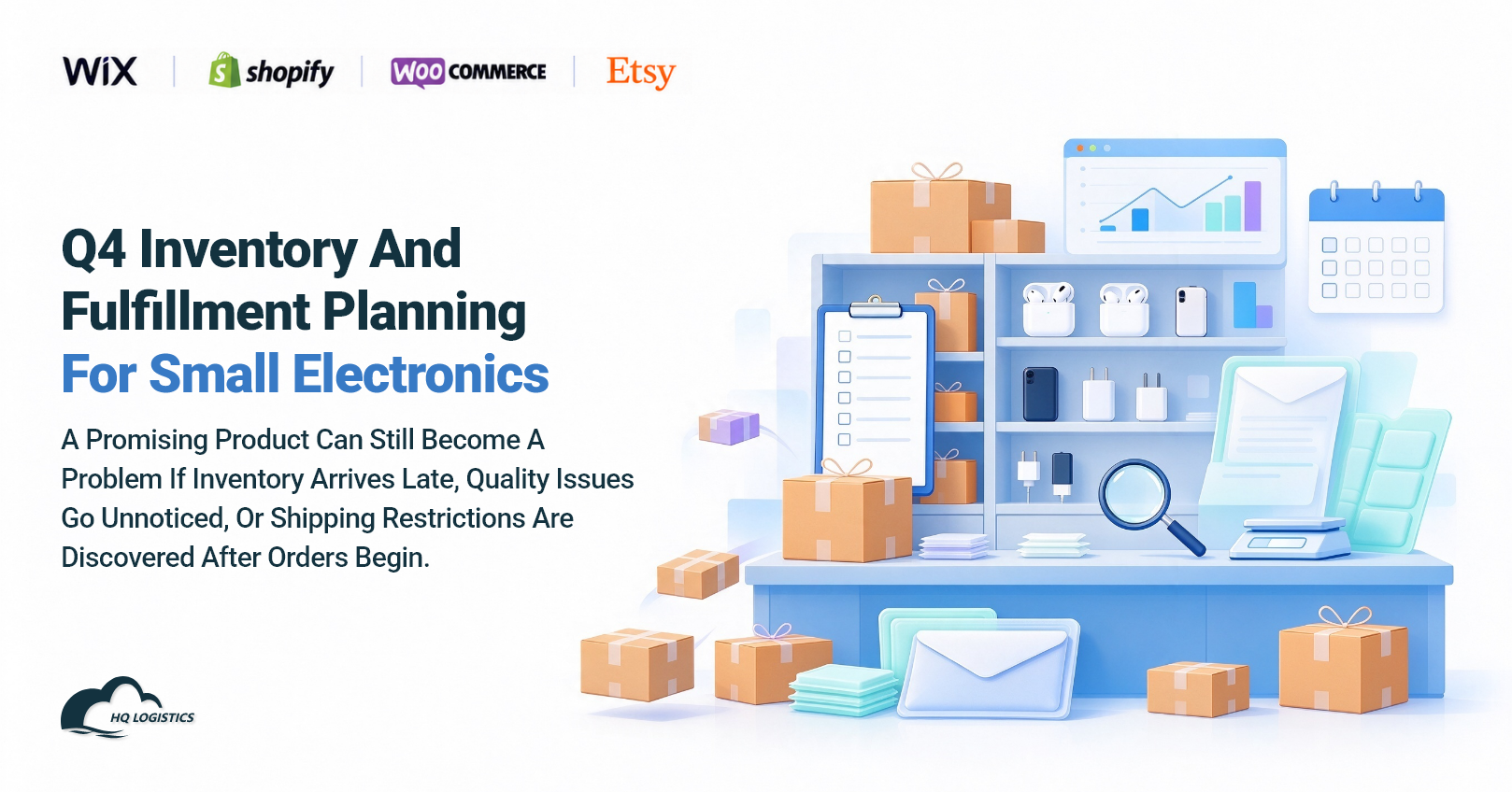
A promising product can still become a problem if inventory arrives late, quality issues go unnoticed, or shipping restrictions are discovered after orders begin.
Q4 planning should cover both inventory availability and the complete fulfillment process.
Forecast Demand and Set Reorder Points
Use previous sales, current conversion rates, advertising performance, supplier lead times, and planned promotions to estimate demand.
Start by testing a manageable quantity when demand is uncertain. Increase inventory commitments as real sales data becomes available.
For products with multiple colors, models, connectors, or regional versions, track each SKU separately. This helps prevent popular variations from selling out while slower-moving versions accumulate in storage.
Check Battery and Shipping Requirements Early
Not all small electronics have the same shipping requirements.
Non-powered accessories may be relatively straightforward to ship, while products containing lithium batteries or other regulated components can require specific packaging, documentation, and approved transport services.
Before purchasing inventory, confirm the product's exact specifications and destination requirements with your supplier and logistics provider.
For international ecommerce, route selection should account for both delivery speed and the restrictions applicable to each product.
Inspect Products Before They Reach Customers
Quality issues during the holiday season can create more than return costs. They may also lead to negative reviews, missed gift deadlines, and lost repeat business.
A clear inspection process can help identify defects before orders leave the warehouse.
Depending on the product, inspection may include checking product appearance, basic functionality, included accessories, SKU labels, and protective packaging.
For electronic products, agree on appropriate testing procedures and acceptance criteria with your supplier or fulfillment partner before the order is processed.
Keep Inventory and Order Information Synchronized
When sales increase across multiple channels, inaccurate inventory data can lead to overselling, delayed fulfillment, and customer service problems.
An integrated fulfillment workflow can help sellers keep order processing, inventory information, and tracking updates organized across their ecommerce operations.
If you sell through Shopify or other supported platforms, confirm which integrations are available and how order synchronization works before the peak season begins.
How HQ Fulfillment Can Support Your Q4 Electronics Business
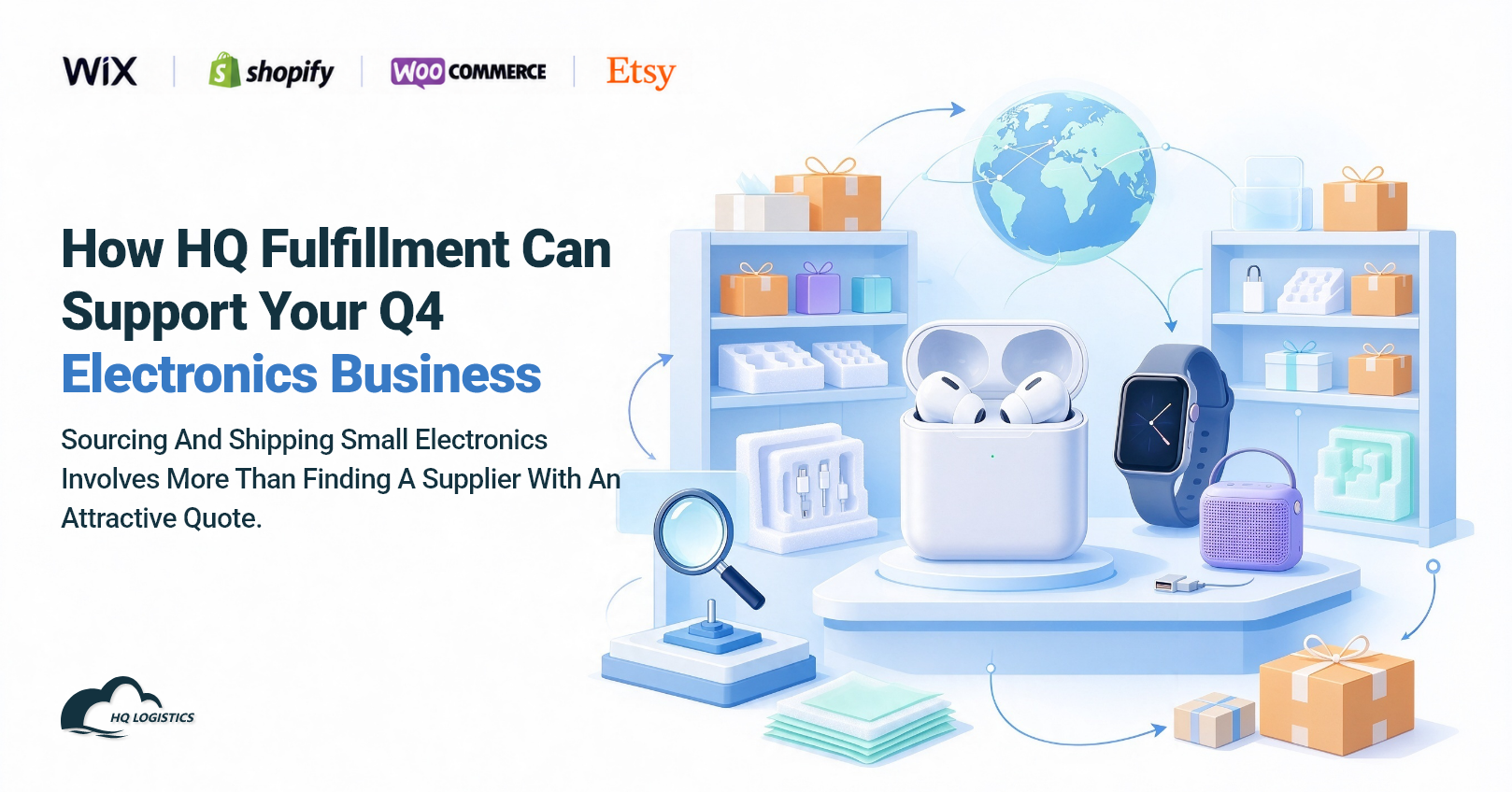
Sourcing and shipping small electronics involves more than finding a supplier with an attractive quote. Sellers need dependable product sourcing, clear quality requirements, appropriate shipping routes, and an inventory plan that can support seasonal demand.
HQ Fulfillment helps ecommerce brands coordinate key parts of this process through:
-
Product Sourcing:
Source products through supplier networks and compare options based on specifications, quality, and cost. -
Quality Inspection:
Arrange product checks according to agreed requirements before orders are shipped. -
Warehousing and Fulfillment:
Coordinate inventory storage, order processing, packing, and dispatch. -
Shipping Solutions:
Evaluate available shipping routes according to destination, delivery expectations, product characteristics, and carrier restrictions. -
Order and Tracking Management:
Support order workflows and tracking updates through available integrations and fulfillment systems. -
Custom Packaging:
Explore branded packaging and inserts to create a more consistent customer experience, subject to product and order requirements.
For sellers testing new electronics categories, a coordinated sourcing and fulfillment process can make it easier to compare products, identify potential problems, and prepare for higher order volumes.
Learn more about our fulfillment services and explore sourcing and logistics options for your ecommerce business.
Final Thoughts: Choose Products That Can Deliver More Than Sales
Small electronics offer plenty of possibilities for Q4, from desk gadgets and wireless accessories to everyday connectivity products. The best opportunities are not necessarily the most heavily advertised gadgets or the products with the lowest supplier quotes.
Focus on products with a clear use case, verifiable quality, suitable shipping options, and enough margin to cover the full fulfillment process.
Test samples, calculate your true cost per order, verify compliance requirements, and plan inventory before demand increases. With the right sourcing and fulfillment strategy, your store can approach the holiday shopping season with greater confidence.
Looking for a more reliable way to source and fulfill small electronics?
HQ Fulfillment can help you explore product sourcing, quality inspection, warehousing, and shipping solutions for your business.
Frequently Asked Questions
1. What small electronics are worth testing for Q4?
Wireless charging accessories, desk gadgets, compact speakers, phone stands, power banks, LED desk lights, wireless keyboards and mice, and USB hubs are potential categories. The right choice depends on customer demand, competition, product quality, compliance requirements, and total fulfillment cost.
2. Are small electronics suitable for dropshipping?
Some small electronics can work well with dropshipping because they are compact and easy to demonstrate online. However, sellers should verify supplier reliability, product specifications, quality consistency, shipping eligibility, and delivery estimates before listing them.
3. How can I calculate the true fulfillment cost of an electronic product?
Include the product price, inbound shipping, packaging and handling, fulfillment fees, outbound shipping, and expected losses or returns. Add applicable duties, taxes, payment fees, and other expenses when relevant. Compare the total cost with your selling price to estimate your actual margin.
4. What should I check before shipping electronics internationally?
Confirm the product specifications, applicable safety and compliance requirements, battery classification where relevant, packaging and labeling requirements, carrier restrictions, and destination-country rules. Products containing lithium batteries may require specialized handling or approved shipping services.
5. How early should ecommerce sellers prepare Q4 electronics inventory?
Start planning as early as possible, taking supplier production time, inspection, inbound transportation, shipping restrictions, and demand uncertainty into account. Test new products before committing to large quantities, and set reorder points based on actual sales and replenishment lead times.
6. Can HQ Fulfillment help source and ship small electronics?
HQ Fulfillment can support product sourcing, quality inspection, warehousing, order fulfillment, and shipping coordination. Specific product acceptance and shipping options depend on the product's specifications, battery status, destination, and available logistics routes. Contact the team to confirm the options suitable for your products.